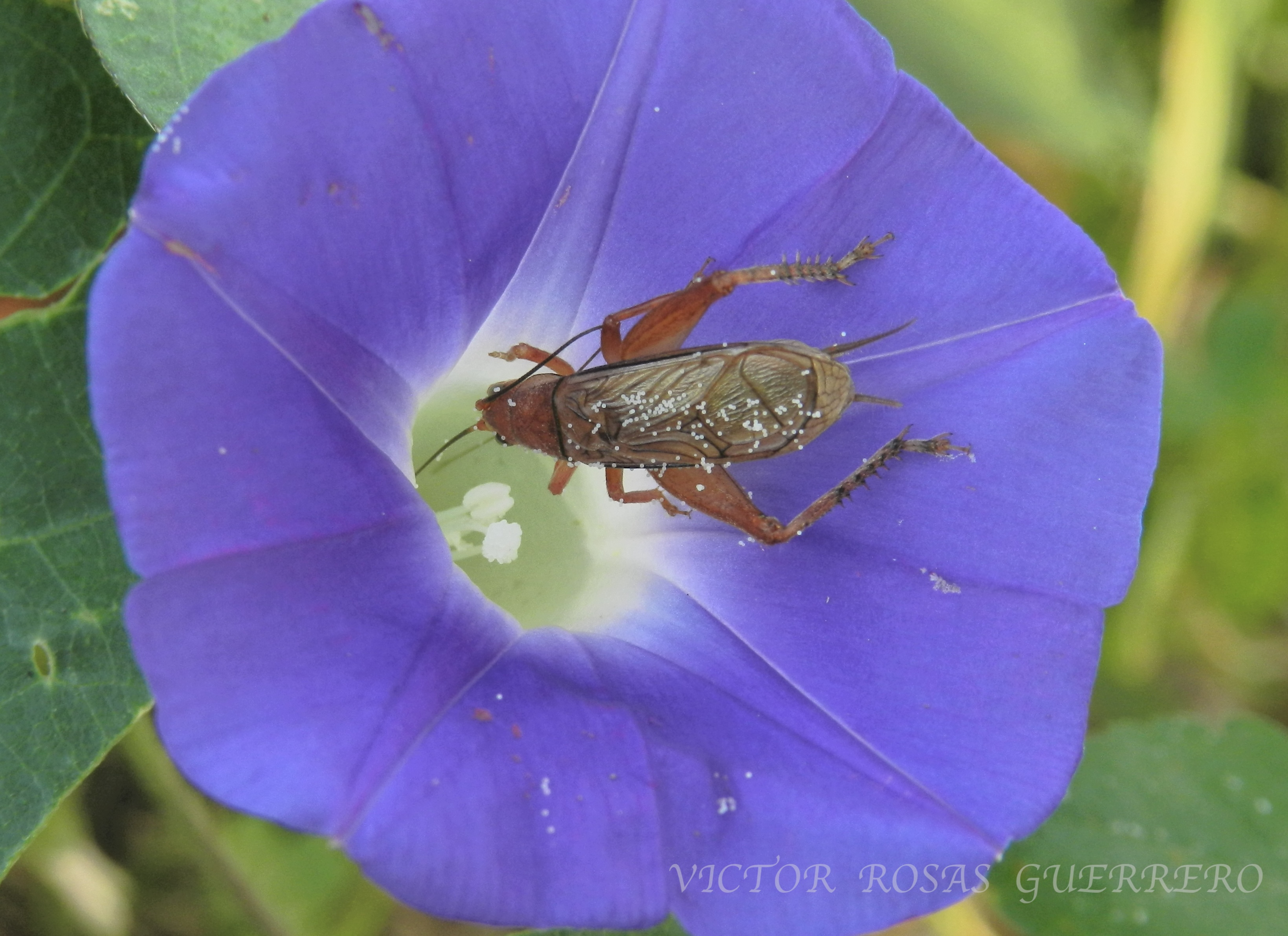
In alphabetical order.
Agroecology
- Causes of malformed fruits and increase in yield in mango
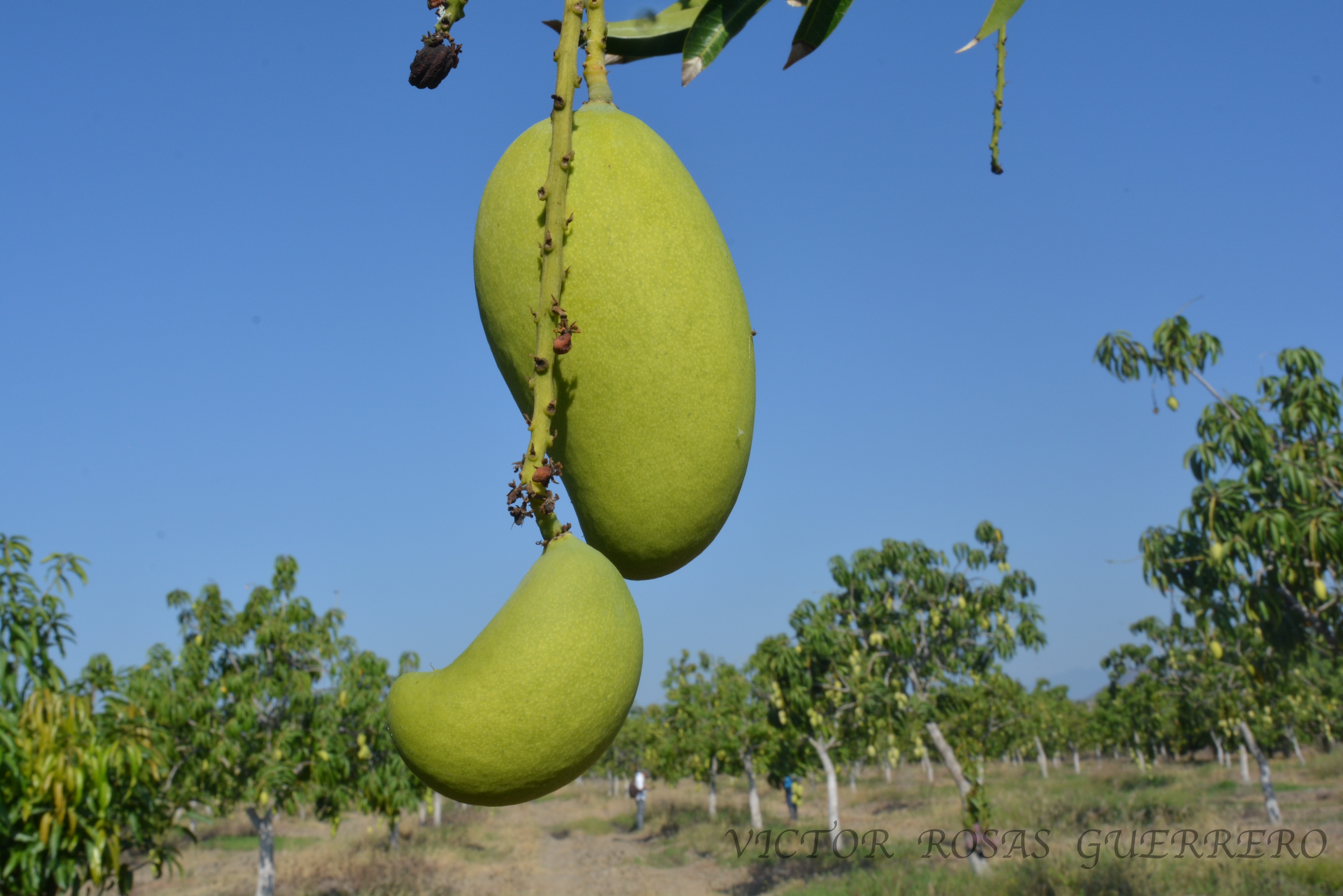
We are exploring what could contribute to the increase of malformed fruits and commercial fruits in ‘Ataulfo’ (37), including the presence of other cultivars (25, student thesis), proximity to forest patches (32, student thesis), pollinators (42), induced flowering and landscape heterogeneity (in progress).
- Effects of warming on crops
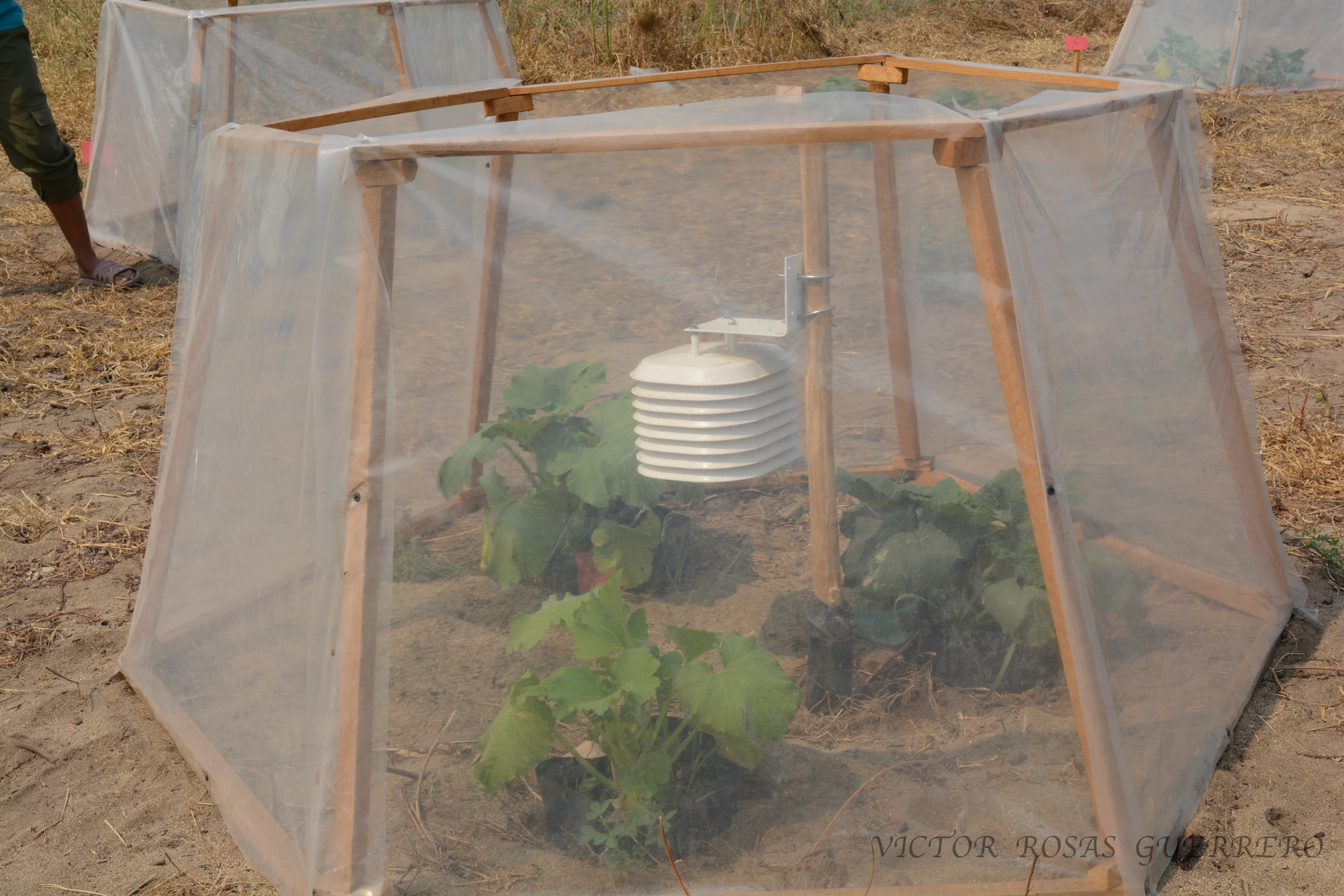
We use open top chambers to test the influence of elevated temperature on vegetative, floral and reproductive traits of squash (29, student thesis).
- Fertilization on crops
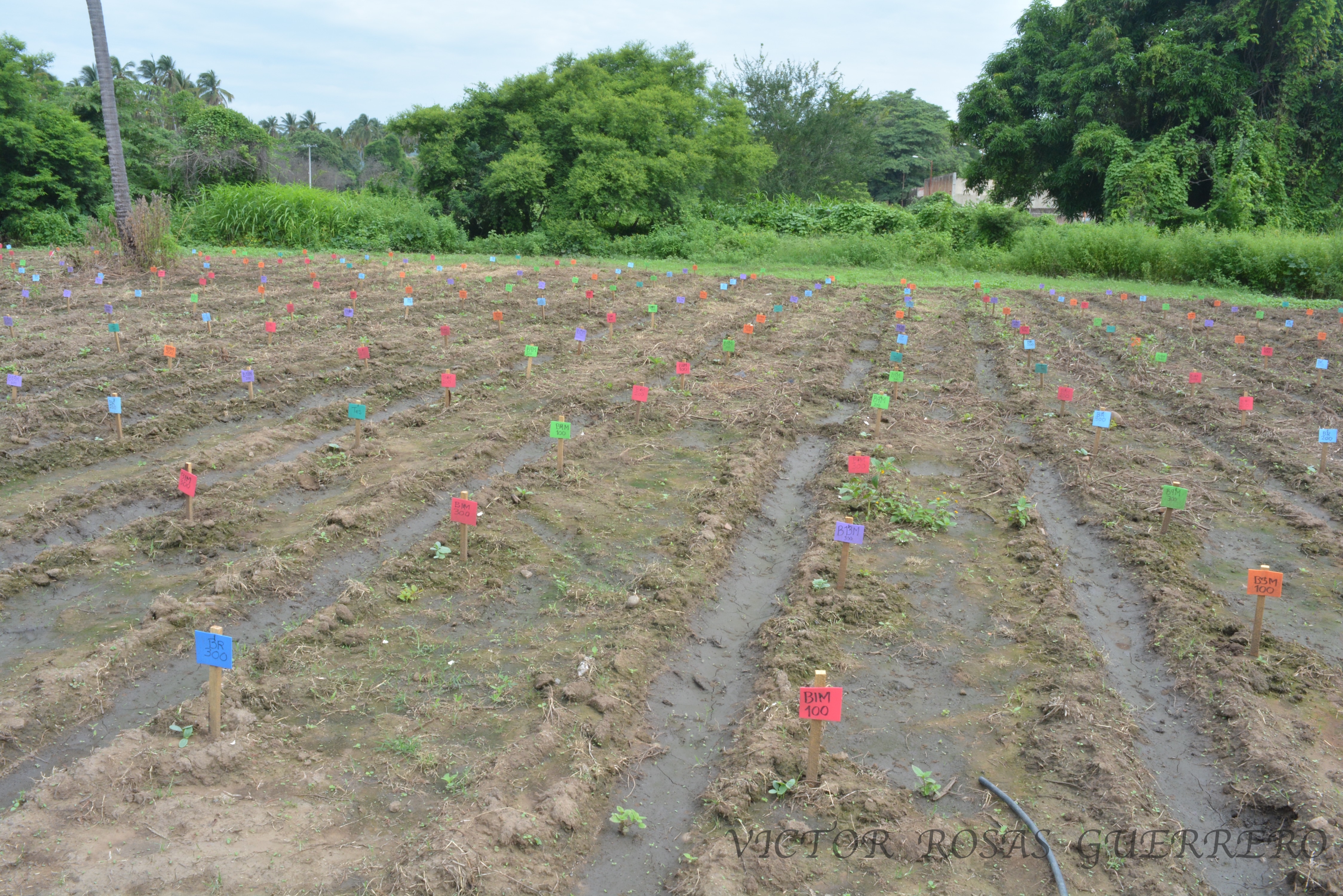
Using several crops we have evaluated the role of the input of fertilizers in various plant attributes, including the role of vermicompost on the yield in melon (30, student thesis) and watermelon (student thesis), the effect of maturity and dosage of bokashi in cucumber (36, student thesis), the evaluation of vermicompost to ameliorate the effects of increased temperature on squash (28, student thesis), and the role of nitrogen split application on zucchini (student thesis).
- Biological control of phytopathogens
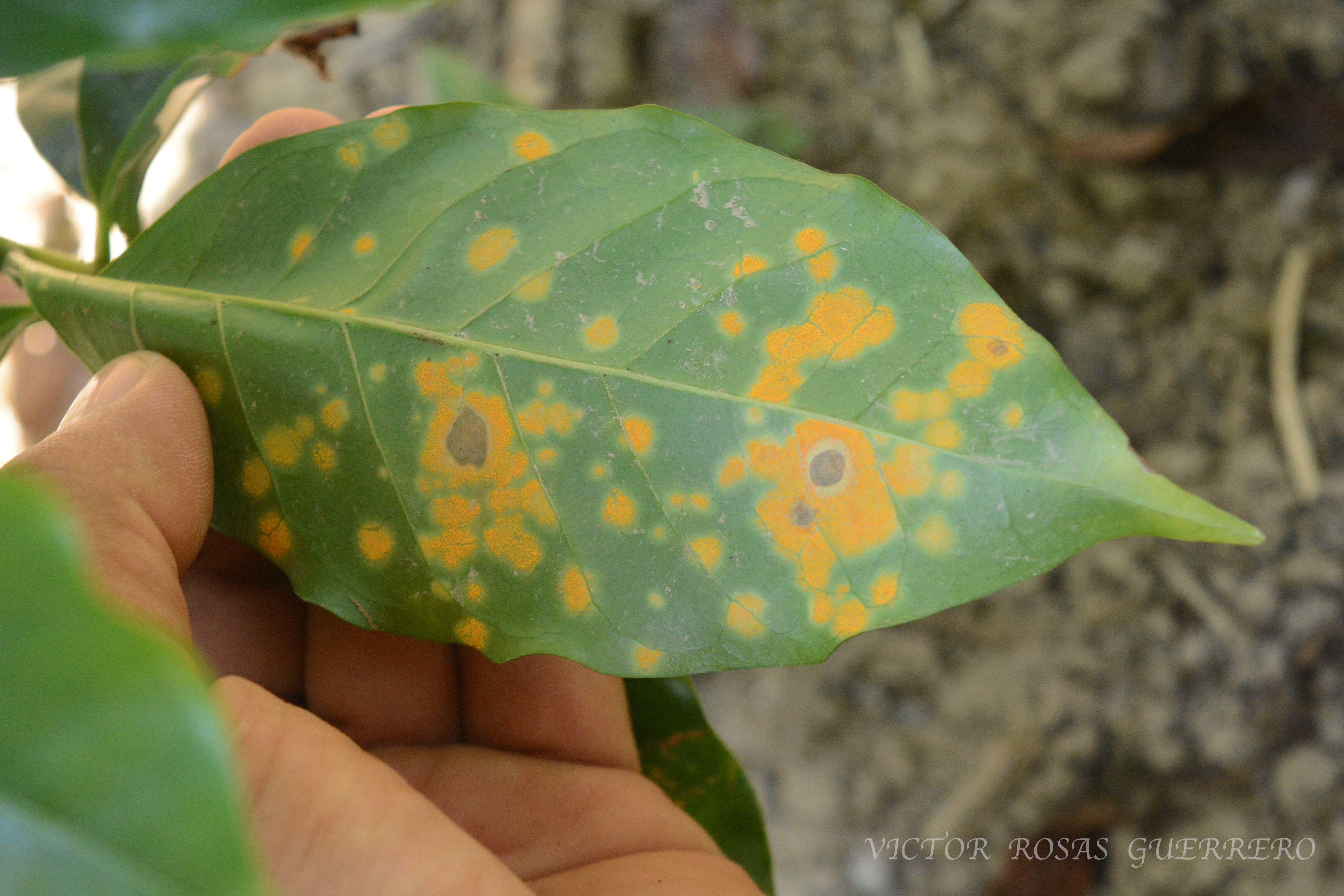
Our aim is to search metabolites such as those present in Bacillus licheniformis to inhibit phytopathogenic fungi associated to leaf diseases on maize (28, 34), and such as those present in neem to control fungi causing coffee leaf rust (student thesis).
- Sustainable use of managed Agave

We propose an alternative management of Agave cupreata for the production of mezcal beverage, based on the closeness between individuals and inbreeding depression (22, student thesis).
Anthropogenic disturbances on plants and pollinators
- Habitat loss and fragmentation
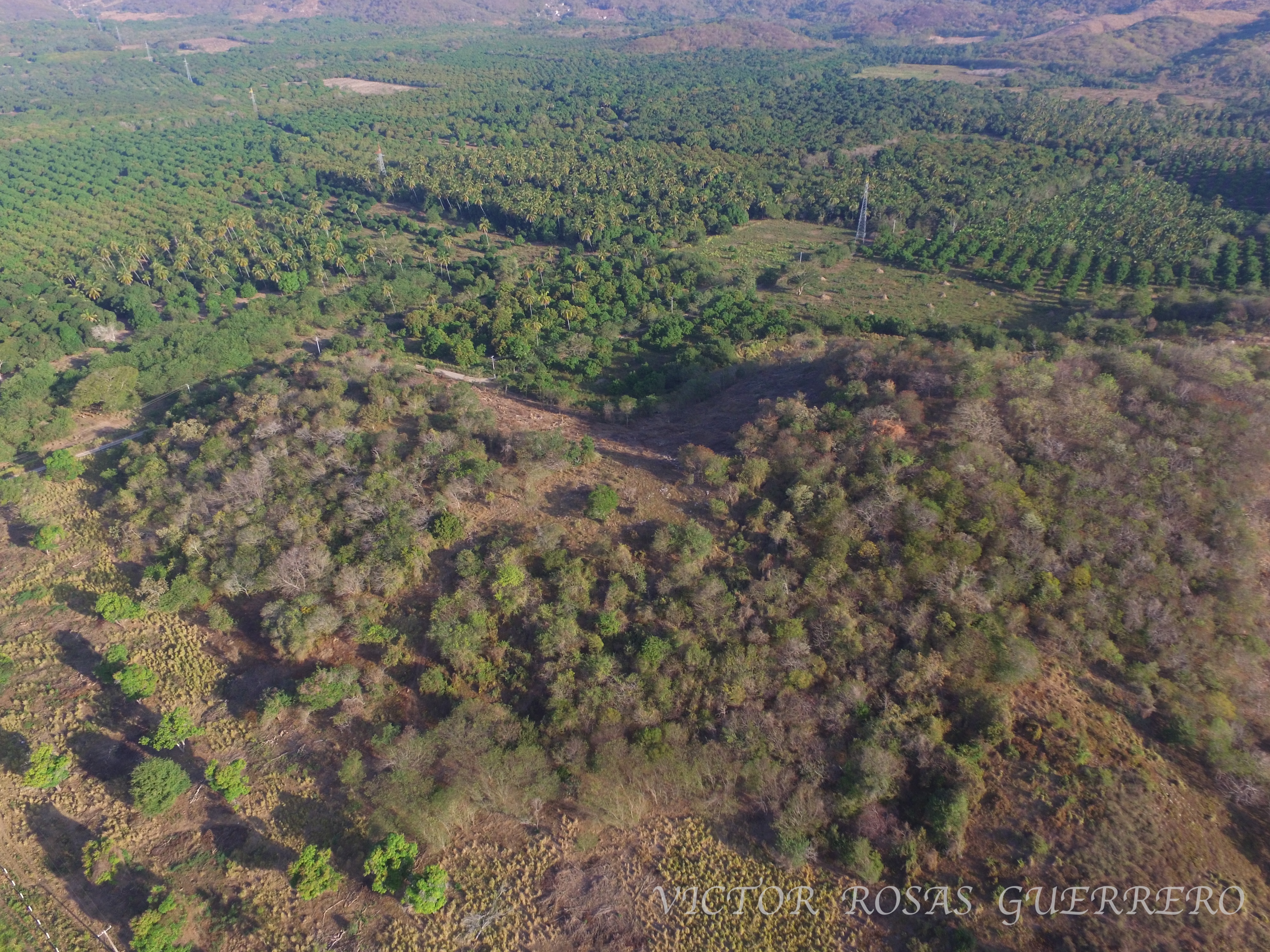
We evaluate the effect of forest fragmentation on the phenology (8) and reproductive success of plants and their pollinators (8), including several species of bombacaceous trees (4, 6), especially Ceiba grandiflora (3, 5). We also evaluate the effect of the distance to forest fragments on the reproductive success of mango orchards (32).
- Successional changes after habitat loss
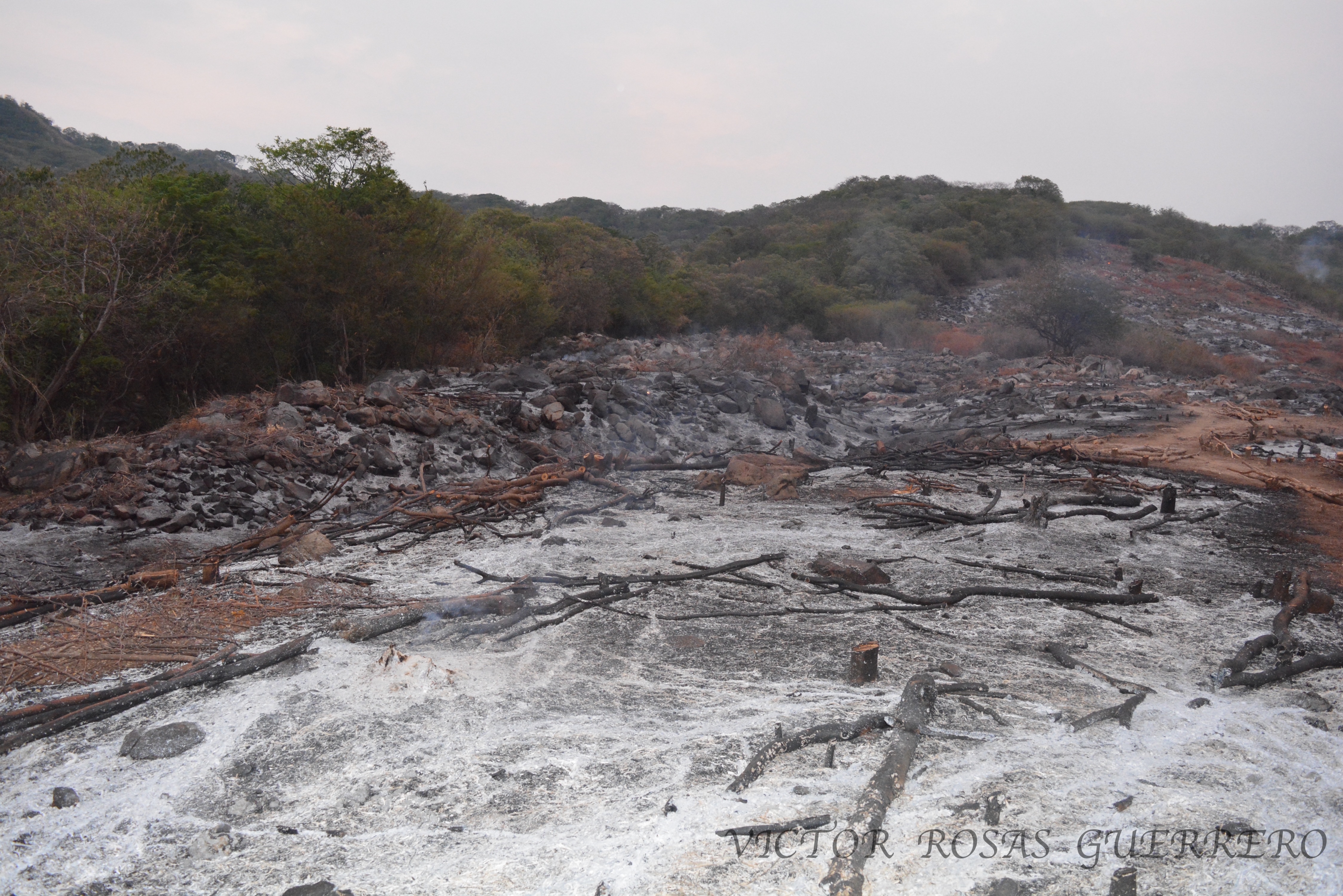
Changes on dry forest due to succession after habitat loss were explored (7, 14), including flowering phenology (13), and floral visitors (12).
- Climate change
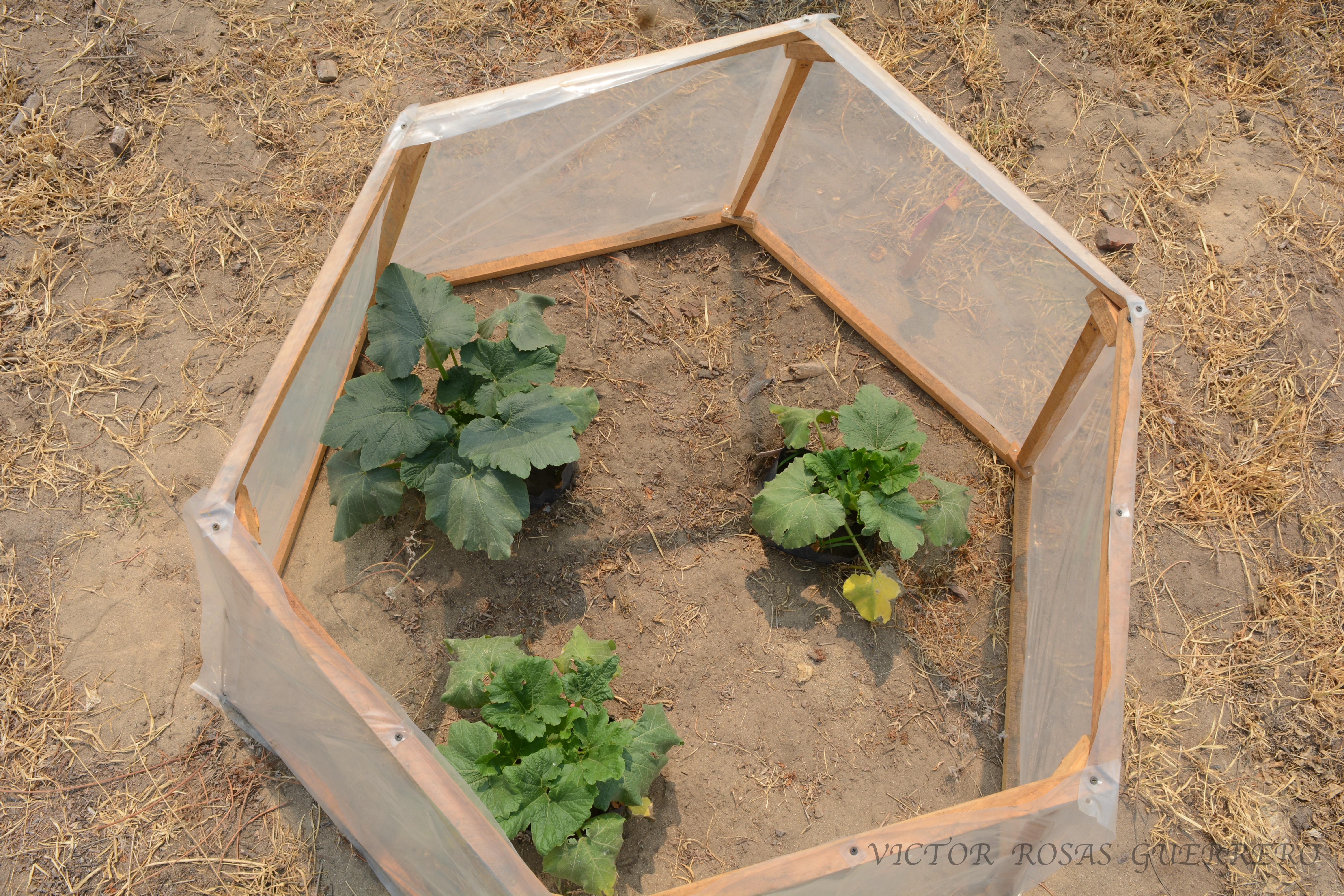
Environmental temperature was increased 1.4 ºC with open top chambers to evaluate its effect on legitimate floral visitors and reproductive success on a pollinator-dependent crop (29, student thesis). Moreover, the impact of climate change on the pollinators of crops in Mexico was assesed (10).
Bat ecology
- Effects of habitat disturbance on nectarivorous bats
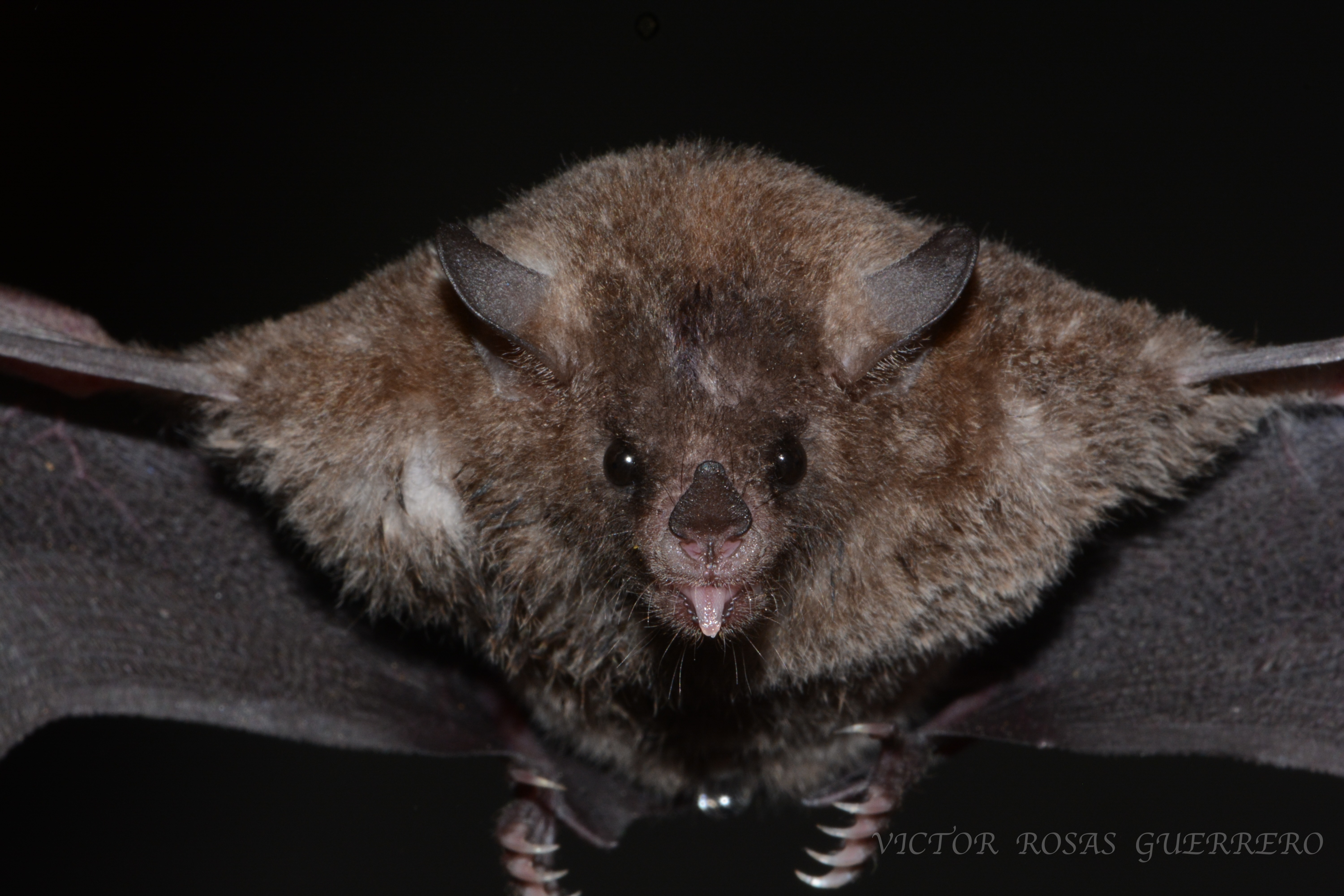
The effects of habitat disturbance on three nectarivorous bat species that visit a bombacaceous tree are evaluated (3, 5), including a rare, endemic and endangered bat species (2).
- Effective pollination by bats
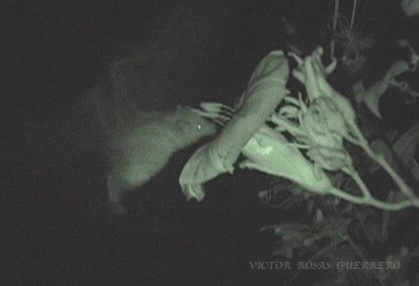
The effectivity of bats as pollinators of several plant species have been achieved through contact with the reproductive parts of the flower in Ceiba (2, 3, 4, 5) and Ipomoea (9, 12, 15) species and through exclusion of diurnal floral visitors and pollen load in Merremia platyphylla (39).
- Diet of bats

Through the analysis of fecal samples and/or pollen load on their bodies, we have analyzed the niche overlap in feeding assemblages of a community of nectarivorous bats (student thesis), as well as the effect of intrinsic and extrinsic factors in the diet of a community of frugivorous bats (student thesis), and the annual variation of the diet of the omnivorous bat Glossophaga soricina (1).
Floral evolution
- Reliability of pollination syndromes
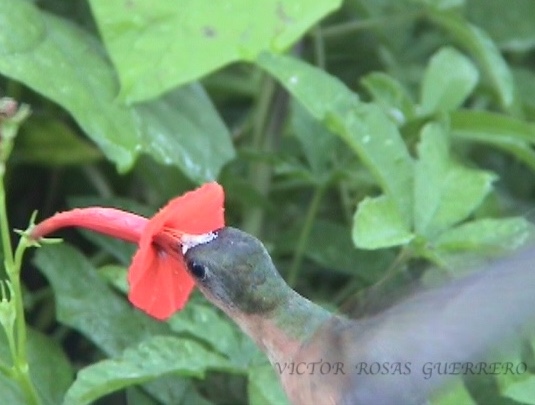
Through a quantitative synthesis, we test whether the most effective pollinator of plant species can be inferred from suites of floral traits among different plant lineages (12, 15, 16). We also test the predictability of pollination syndromes in five species of Salvia through single-visit contribution to seed production (40).
- Floral integration
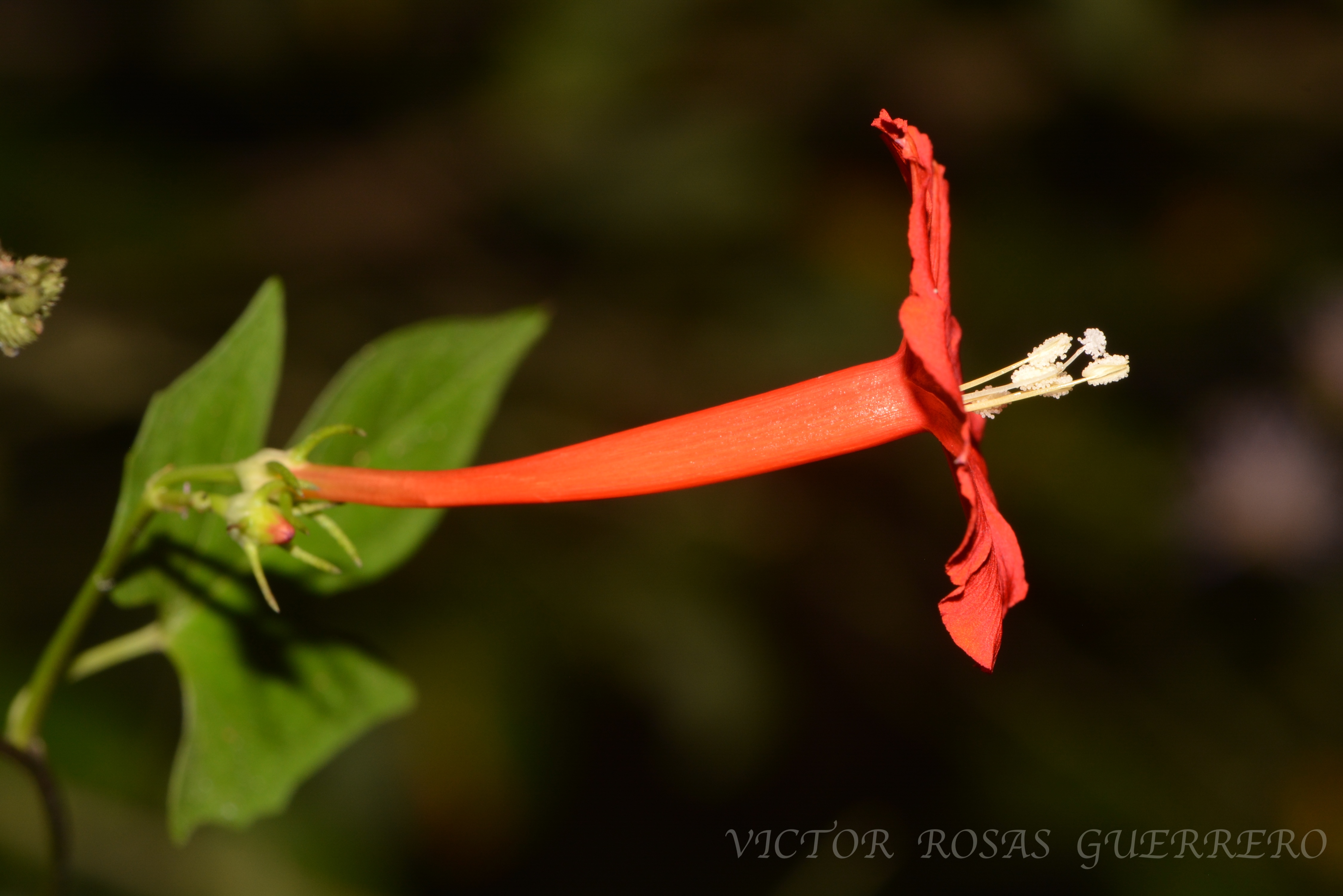
We examine the influence of pollinator specialization and pollinator dependence of 20 species of morning glories on floral integration (9, 12).
- Causes of incomplete dichogamy
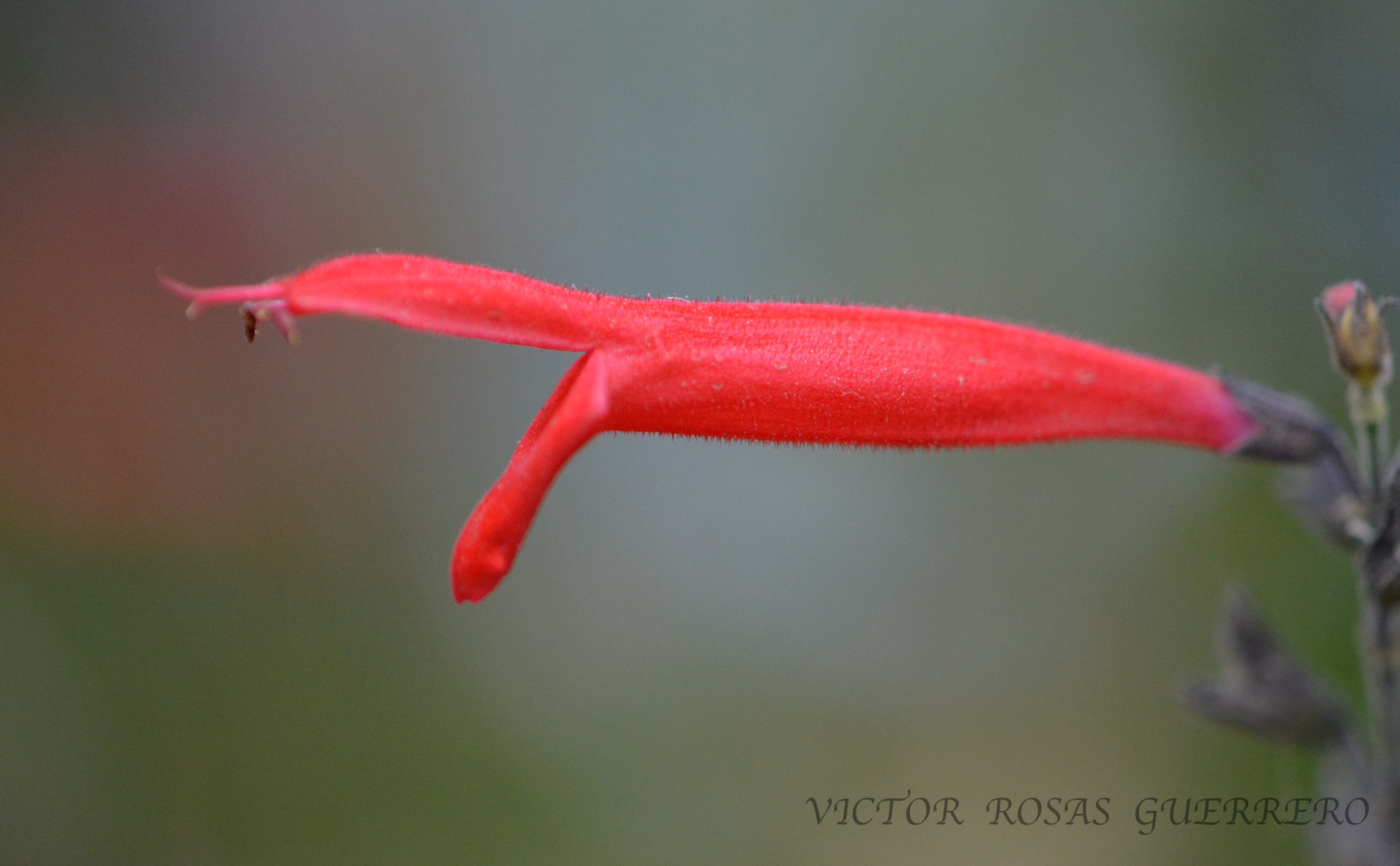
By using Salvia elegans as a model, we test whether inbreeding depression and pollen limitation may help us to understand why incomplete dichogamy occur in several plant species (18).
Plant-floral visitor interactions
- Diversity of pollination systems

A review of the pollination systems in the tropics (11) and worldwide was performed (16), focusing in the level of specialization, pollinator dependence and other aspects.
- Legitimate floral visitors and effective pollinators of crops
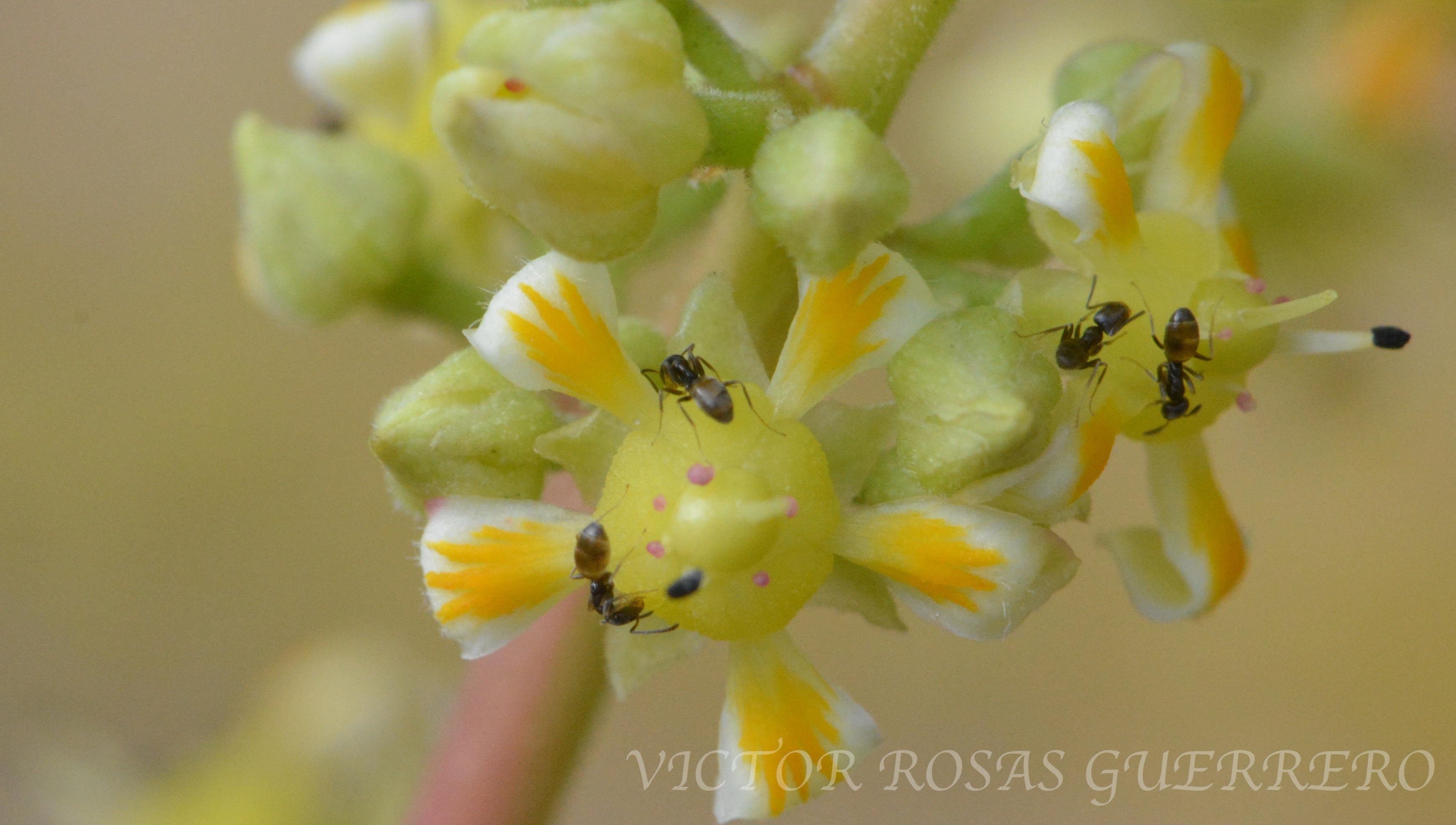
Legitimate floral visitors (those that contact reproductive parts of the flowers) in mango (32, student thesis) and roselle (student thesis); as well as effective pollinators (those that deposit conspecific pollen on stigmas) of mango (42) were documented.
- Seasonal variation of floral visitors
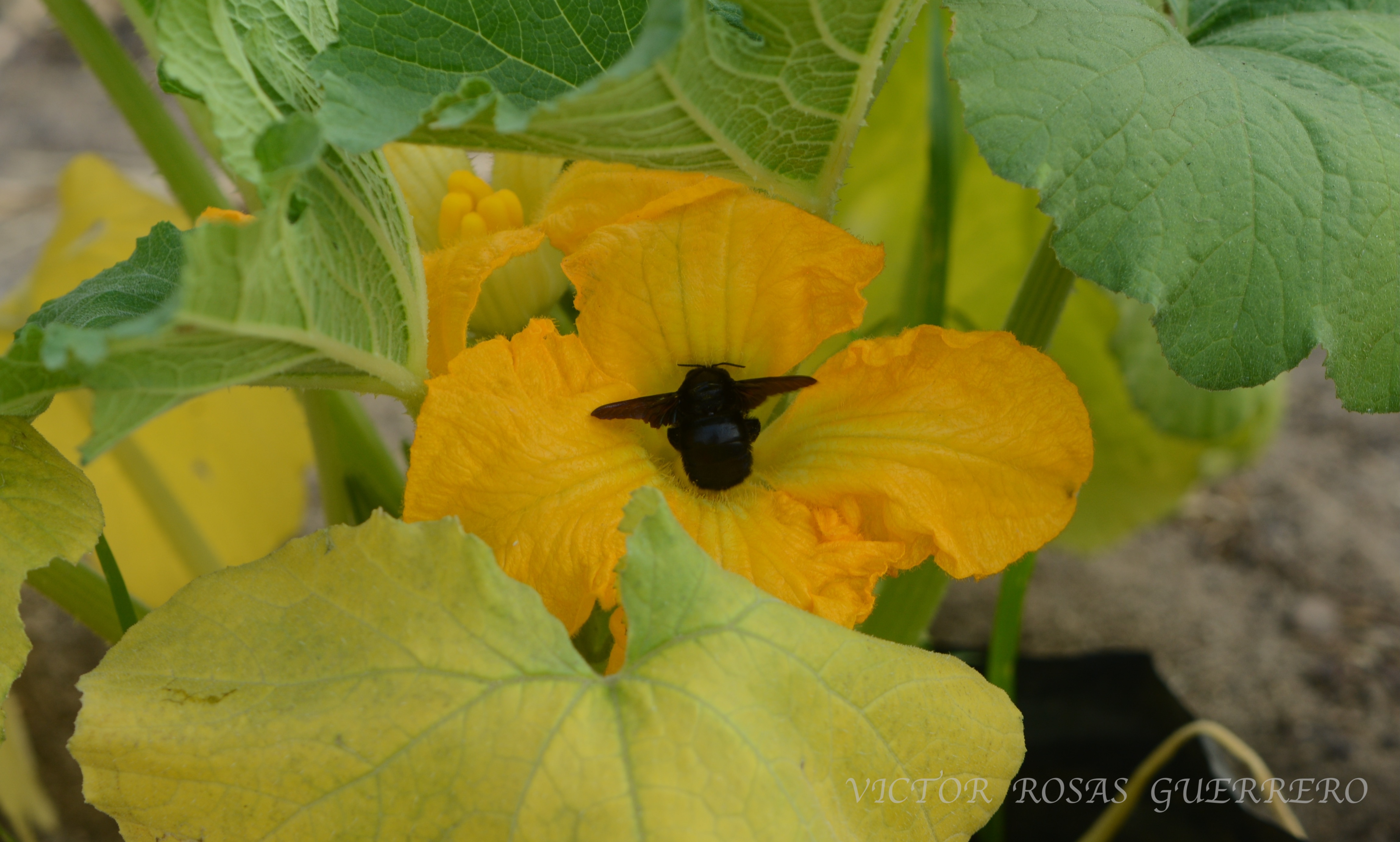
We are interested in the seasonal variation of nectar robbing and their effects on floral visitors and plant reproduction (17), as well as on seasonal variation of pollinators of plants exposed to warmer temperatures (29, student thesis).
- Bat-plant interactions

Several plant species have been studied to explore their relationships with the bats as pollinators, including Merremia platyphylla (39, student thesis) and several Ipomoea species (15) from the Convolvulaceae family, several Ceiba species (4, 6), particularly C. grandiflora (2, 3, 5) from the Bombacaceae family, and Crescentia alata from the Bignoniaceae family (in progress).
- Bird-plant interactions

We describe how some birds may act as nectar robbers whereas other act as pollinators in a sage (17), in morning glories (12), in Ceiba (5), in Merremia (39), and in three species of Salvia (40).
 Rosas-Guerrero Lab